
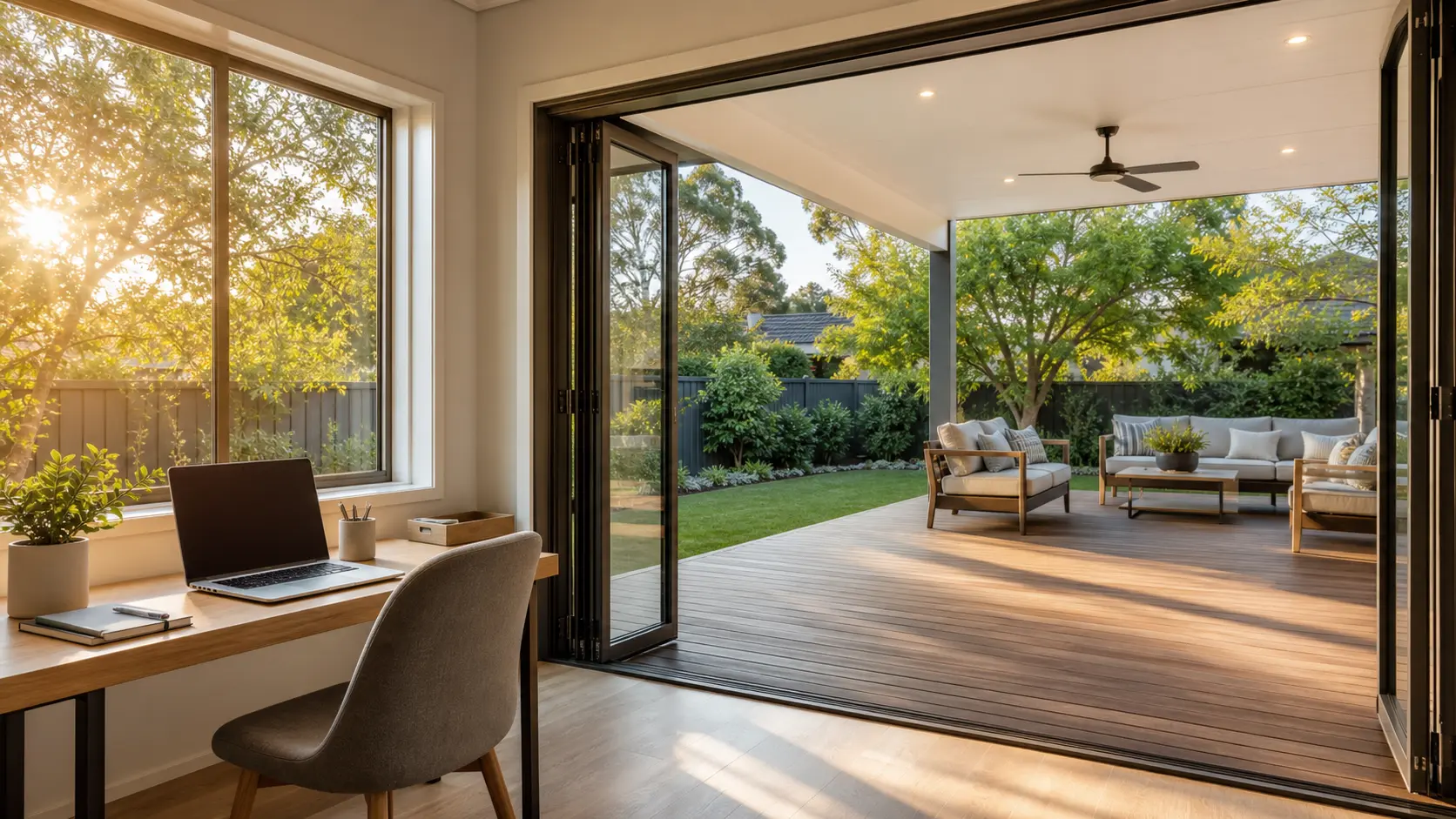
How Has Remote Work Changed What Buyers Want in a Property?
Remote work didn’t just change where people sit between nine and five. It changed what they notice when they walk through a property, and what they’re willing to compromise on.
Before 2020, a spare room was nice to have. A decent backyard was a bonus. Proximity to the city center still carried heavy weight in most price conversations. That order has shifted. Buyers still care about location, but they’re measuring it differently. They’re asking whether the home can support work, rest, and family life under one roof without everyone tripping over each other.
The inspection checklist looks different now
A few years ago, the first questions were often about bedrooms, bathrooms, and commute time. Those still matter. They’re just no longer the whole story.
Buyers now test for:
- A workable space for focused work, even if it’s compact
- Enough separation so video calls don’t dominate the house
- Natural light in the rooms they’ll sit in for long stretches
- Outdoor areas that feel usable, not purely decorative
- Storage for equipment, not only seasonal clutter
Buyers have been observed passing on otherwise solid properties because every living zone opened into the next with nowhere quiet to take a call. Average homes have also attracted stronger interest because a third bedroom already functioned as a study, or because the rear of the block had room to extend later.
Flexibility beats formality in floor plans
Formal dining rooms that sit empty six days a week are a harder sell than they used to be. Buyers want rooms that can switch roles.
A spare bedroom that fits a desk and still hosts guests on weekends carries more weight than a showpiece space with no clear use. Open-plan living still appeals, but only when there’s a door somewhere. Full openness sounds generous in a listing. In practice, it can mean one person’s meeting becomes everyone’s background noise.
This is where renovation potential comes into the conversation. Not every buyer wants a project. Plenty do want a property that can adapt if hybrid work stays part of their week. They’re looking at whether a wall can go in, whether a rumpus can split, whether the rear living area can grow without wrecking the yard.
In markets overseas with similar density and lifestyle pressure, demand for tailored extensions has followed the same pattern. Interest in custom home additions Bellevue buyers pursue, for example, often centres on adding a study, pushing out a living zone, or creating a quieter wing without changing suburbs. United States buyers are making the same calculation in their own streets: stay put, adjust the dwelling, protect the commute they no longer do five days a week.
Outdoor space is no longer a weekend-only feature
Balconies, courtyards, and backyards used to be sold as a weekend lifestyle. That’s incomplete now.
People take calls outside. They break up long screen days with ten minutes in fresh air. They want somewhere to sit that isn’t also the kids’ toy zone or the only path to the bin. Covered areas matter more than they did, because a space you can’t use in light rain or harsh sun doesn’t solve much.
When buyers can’t stretch to a larger block, they look for a smarter outdoor layout. Level access from living areas. Room for a table that doesn’t block circulation. Privacy from neighbours so a call isn’t public theatre.
You’ll see the same shift in comparable coastal and tech-adjacent markets abroad. Quality deck construction Seattle homeowners invest in is often less about entertaining spectacle and more about creating a second living zone that works across seasons.
If you’re preparing a property for sale, tidy landscaping still helps. Usable outdoor structure helps more.
Location still matters, but the radius has widened
Remote and hybrid work loosened the grip of the daily commute to the city for a large share of professionals. That didn’t make location irrelevant. It changed which trade-offs feel acceptable.
Some buyers moved further out for space and accepted a two-day commute. Others stayed inner or middle-ring but insisted on a better work-from-home setup because they weren’t trading up in land size. Regional and outer suburban markets felt this acutely during the peak work-from-home years, and while some of that heat has cooled, the preference pattern hasn’t fully reversed.
Market observations show a more selective approach. Buyers will stretch on price for a home that already supports hybrid life. They’ll also walk away from a shorter commute if the dwelling forces them to work from the kitchen bench.
Suburb choice has become a package decision: dwelling function first, transport second, amenities close behind. Cafes with decent wifi, local parks, and a spare room can outweigh five minutes closer to the train in some campaigns.
What sellers should fix before they list
You don’t need a full rebuild to meet current expectations. You do need to remove obvious friction.
Practical upgrades that tend to read well:
- Clear a dedicated work corner with power points and lighting
- Add a door or simple partition where noise travels too easily
- Improve outdoor usability with shade, screening, or level connection to living areas
- Show storage for office gear, not only linen
- Make sure internet options and reception are easy to explain honestly
Overcapitalising on a glossy office fit-out is rarely necessary. Buyers want to see that the home can support the habit.
If the property has extension potential, say so cleanly in the campaign materials and keep claims grounded. Buyers in this mood are already thinking one step ahead. They don’t need hype. They need a layout that doesn’t fight the way they live now.
What buyers should pressure-test before they offer
It’s easy to fall for a north-facing living room and forget Tuesday afternoon when two people are on calls and a third needs quiet.
Before you offer, run a normal workday through the floor plan in your head. Where does each person sit? Where do calls go? Where do you step away without walking through someone else’s background on Zoom? If the answers are vague, the house may cost you more in daily irritation than the repayment difference suggests.
Also check what you can change later. Some layouts adapt cheaply. Others need structural work the moment you want privacy. Factor that into your budget with the same seriousness you’d give a new kitchen, because for many households the work setup gets used more hours than the formal cooktop.
The shift is structural, not a fad
Hybrid work has settled into a long-term pattern for a large part of the workforce. Not everyone is home five days a week. Enough people are home often enough that property demand has adjusted around it.
Buyers want dwellings that absorb work without swallowing family life. Sellers who present that clearly get cleaner campaigns. Agents and advisors who speak to function, not buzzwords, earn trust faster.
The winners in this market aren’t chasing the loudest trend. They’re matching homes to how people actually spend their weeks.
