
Tracing Family History in Canada Through Court and Public Records
Plenty of Australian family trees have a branch that disappears across the Pacific. A great-grandmother who sailed to Canada in the 1900s, a great-uncle who settled on a prairie farm, cousins who ended up in Toronto or Vancouver and slowly lost touch. Tracing those relatives can feel daunting from the other side of the world, but Canada keeps remarkably detailed records, and many of them can be searched without ever leaving home.
Start with what the family already knows
Before touching an archive, gather everything already in the family. Old letters, postcards, photographs with names on the back, funeral cards and family Bibles often hold the clues that unlock official records: a town name, a ship, a year of arrival, a married name. Write down what each relative remembers, even when the stories don't quite match. Contradictions are often where the most interesting discoveries hide.
Census, vital records and immigration files
Canada's national archive is the natural next stop. Library and Archives Canada's genealogy and family history section points researchers to census returns, birth, marriage and death records, and immigration records, along with guides for families from particular cultural backgrounds.
Census returns are often the most rewarding place to begin, because they place a whole household at a single address on a single date. Statistics Canada explains that Canadian census records are transferred to Library and Archives Canada 92 years after they are taken, and that censuses from 1825 to 1926 can be searched in online databases. Follow a family from one census to the next and you can watch children arrive, grow up and move away.
Birth, marriage and death records are usually held by the provinces rather than the federal government, so it helps to know which province your relatives lived in. Immigration and passenger records can then fill in when and how they arrived.
The hidden stories in court and public records
Census and vital records tell you who someone was. Court and public records often tell you what happened to them. Wills and estate files can reveal how property was divided and name relatives you never knew existed. Land records show where a family farmed or built a home. Civil cases, name changes and other court files can explain sudden moves, family rifts or a change of surname that otherwise makes a person vanish from the records.
These files can be harder to find than census returns. They are spread across provincial courts, registries and archives, each with its own search process, and some still require a request in person or by mail. If you're researching from Australia, a records search service can arrange searches of Canadian court and public records on your behalf, which saves a lot of time and long-distance phone calls.
Newspapers are another rich source once you know where a family lived. Local papers reported births, marriages, deaths, court appearances, land sales and even visitors from overseas, and many Canadian titles have been digitised. A short notice can confirm a date, name a relative or point you towards a record you didn't know to look for.
Keep a careful research log
Genealogy rewards good habits. Record where every piece of information came from, including the archive, the record series and the date you found it. Note the searches that came up empty too, so you don't repeat them in six months. When two sources disagree on a birth year or a spelling, keep both and look for a third. Names were often written down by clerks who spelled them by ear, so be generous with variations.
Preserve what you find
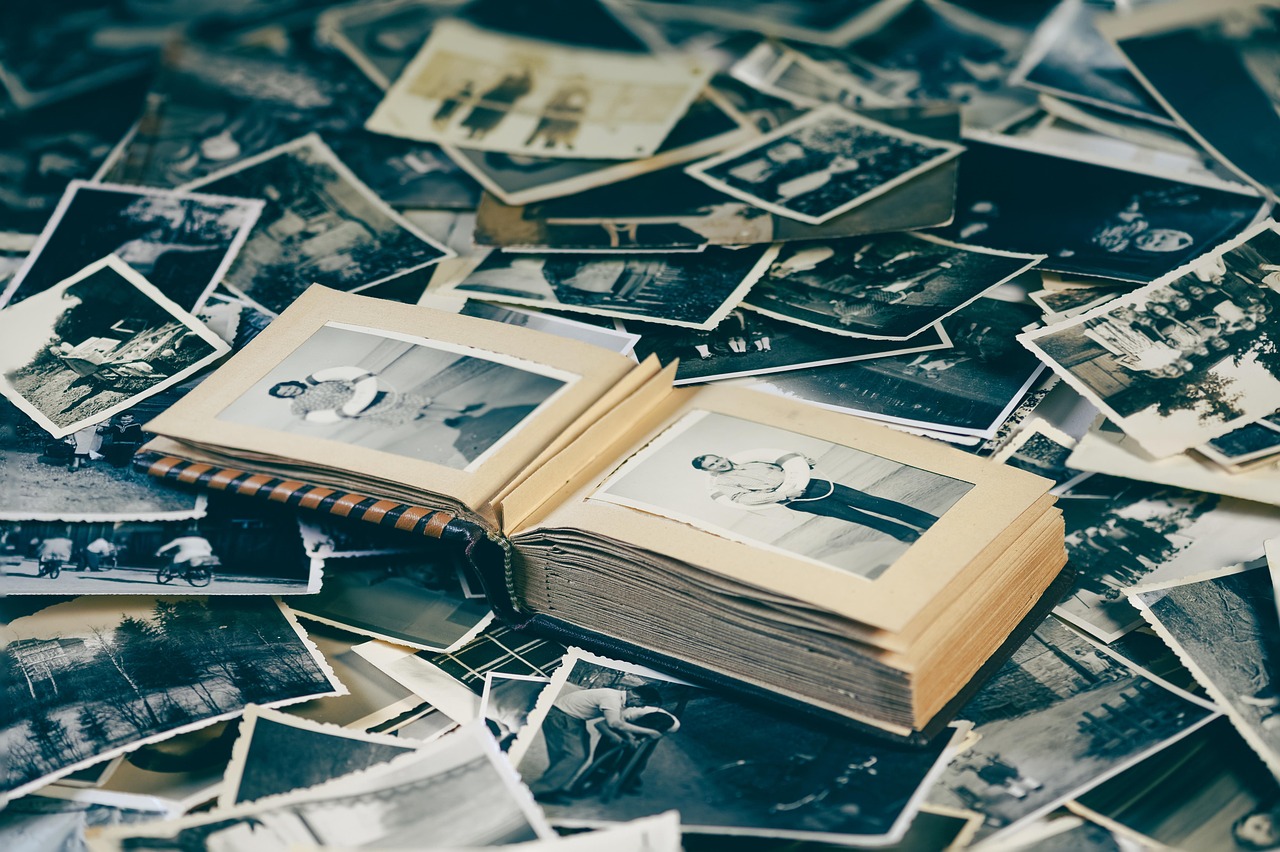
Once the research starts paying off, the next challenge is looking after it. Original photographs, certificates and letters deserve a place where they can be enjoyed rather than forgotten in a shoebox. Scanning everything first means the family can share digital copies, while the originals are protected from extra handling.
The best images are worth putting on display. A wall of ancestors in matching frames turns research into something the whole family can see every day, and a carefully chosen piece of framed wall art alongside them, such as a vintage map or a print from the region your family came from, ties the story together.
Documents and keepsakes that won't go on the wall need somewhere safe, dry and organised. Archival boxes and acid-free sleeves are a good start. When the collection outgrows the spare room, particularly after a parent downsizes, secure household storage can keep boxes of letters, albums and heirlooms together until the family decides what to keep.
A story worth finishing
Tracing relatives in Canada takes patience, but it is rarely a dead end. Between census returns, provincial records and the rich detail hidden in court and public files, most families can piece together far more than they expect. Start with what you have, follow the records one step at a time and look after what you find. The cousins on the other side of the Pacific may be closer than you think.
